NATHAN RAMON-LAU ENGINEERING PORTFOLIO
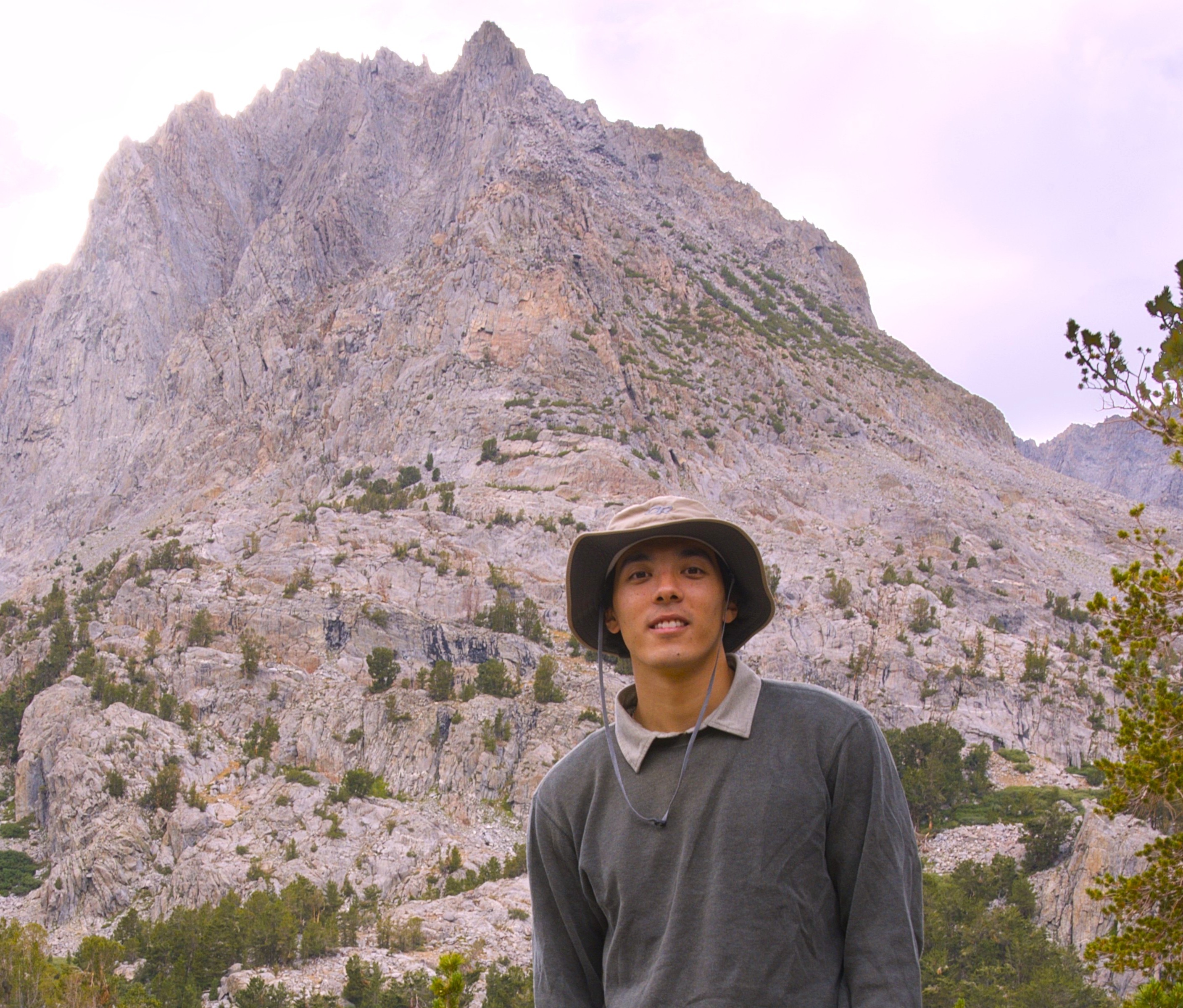
Portrait of Nathan Ramon-Lau

About me

Hi there! I'm Nathan Ramon Lau. I have a passion for hiking and climbing, and I enjoy the outdoors just as much as I enjoy engineering. In my free time outside of school and work, I like to immerse myself in nature as a tranquil escape.

I would love to work for a company that not only challenges my technical and professional skills but also lets me explore the world around me, whether that be through meeting different people or experiencing new places. I truly believe that learning new things is the greatest joy in life, and I want to be surrounded by people with the same curious mindset.

nrl80877@gmail.com xsp8qh@virginia.edu (571) 355-5253

Project explorer — 04 projects

DESIGN / BUILD / TEST
TunaBot · Research

BIER Lab · Computer vision & testing

TunaBot research

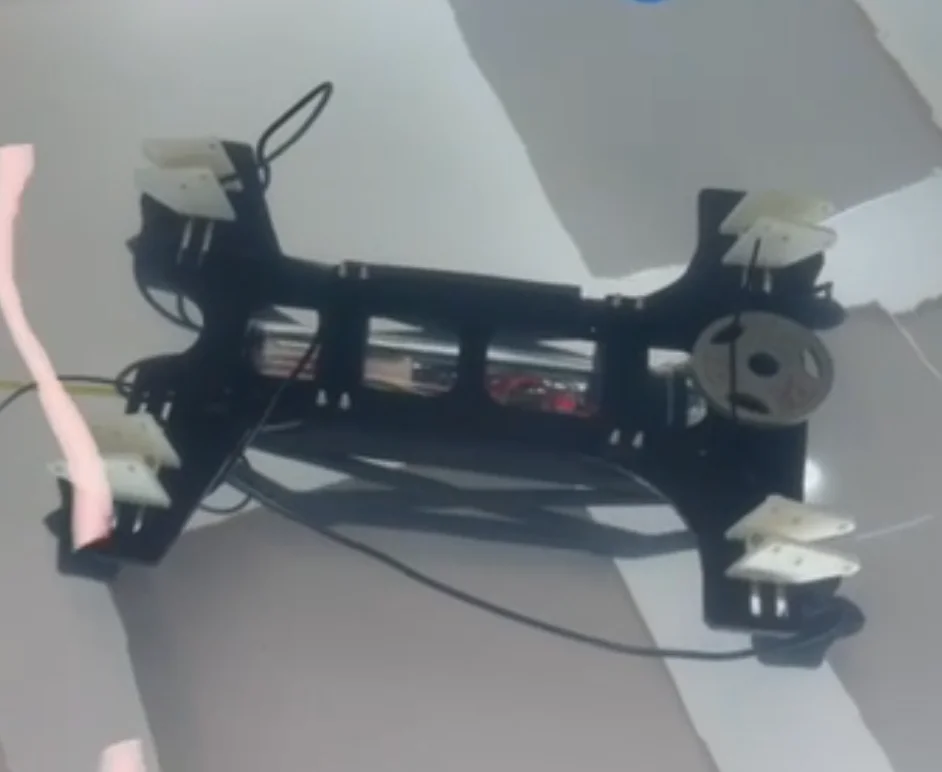
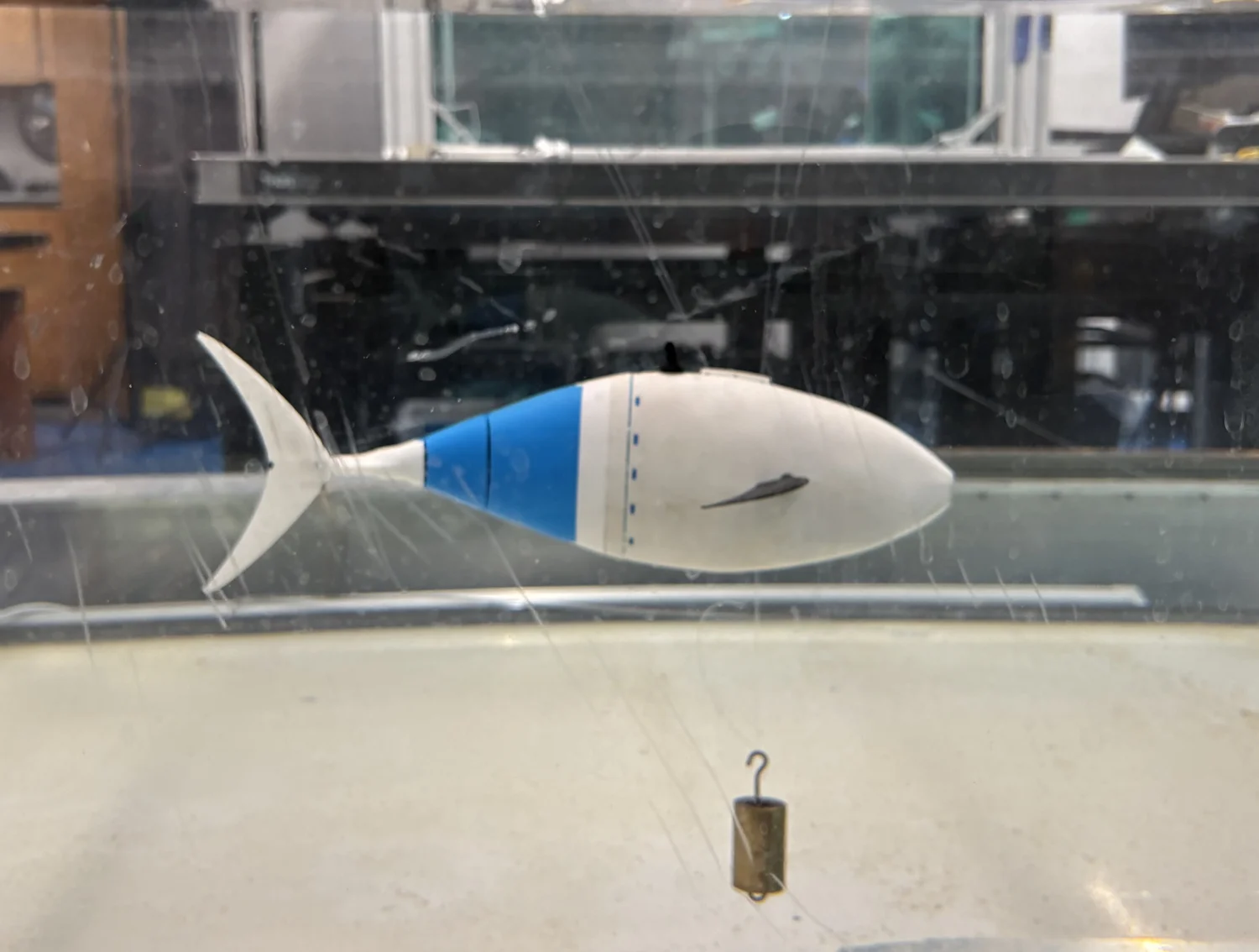
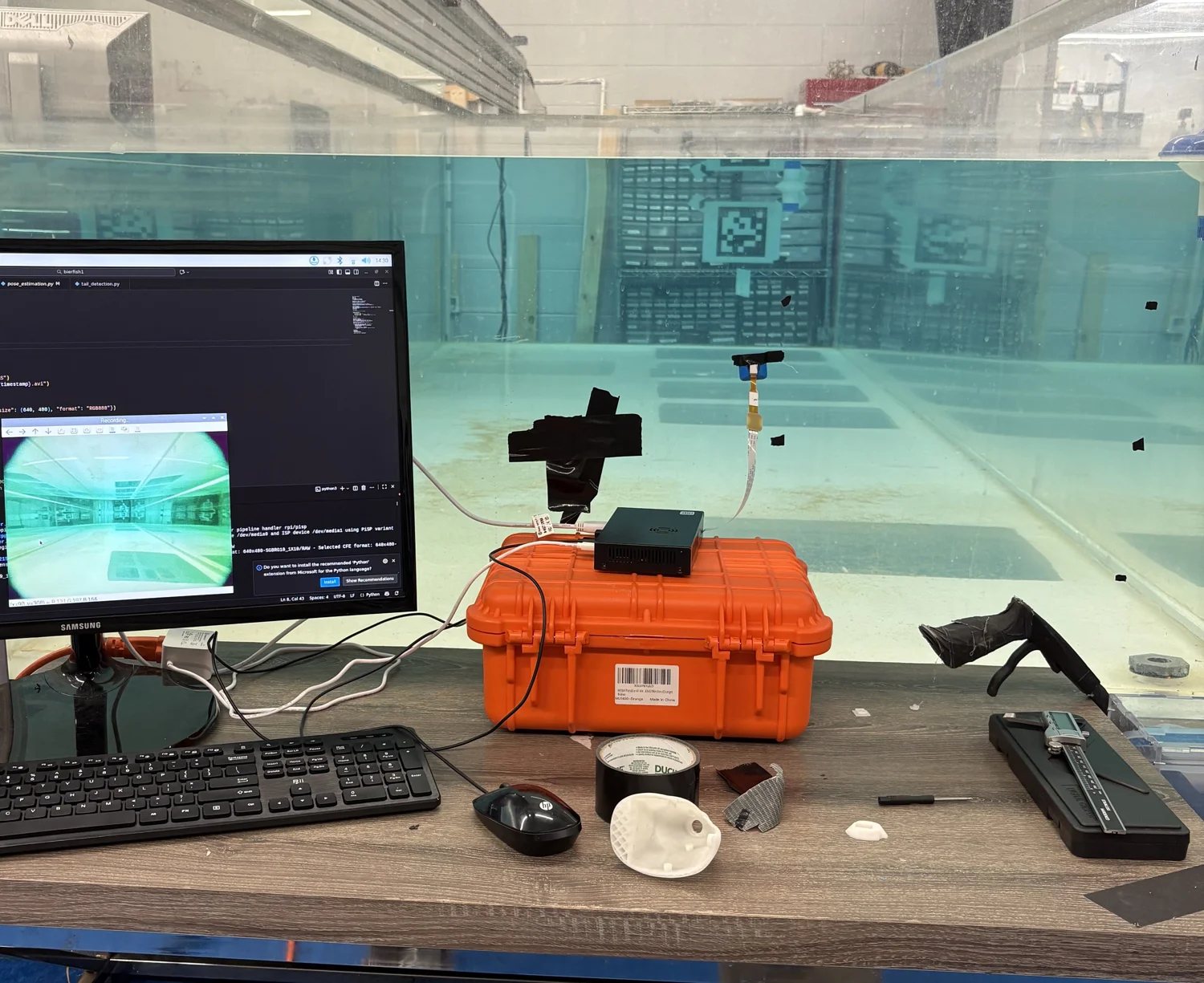
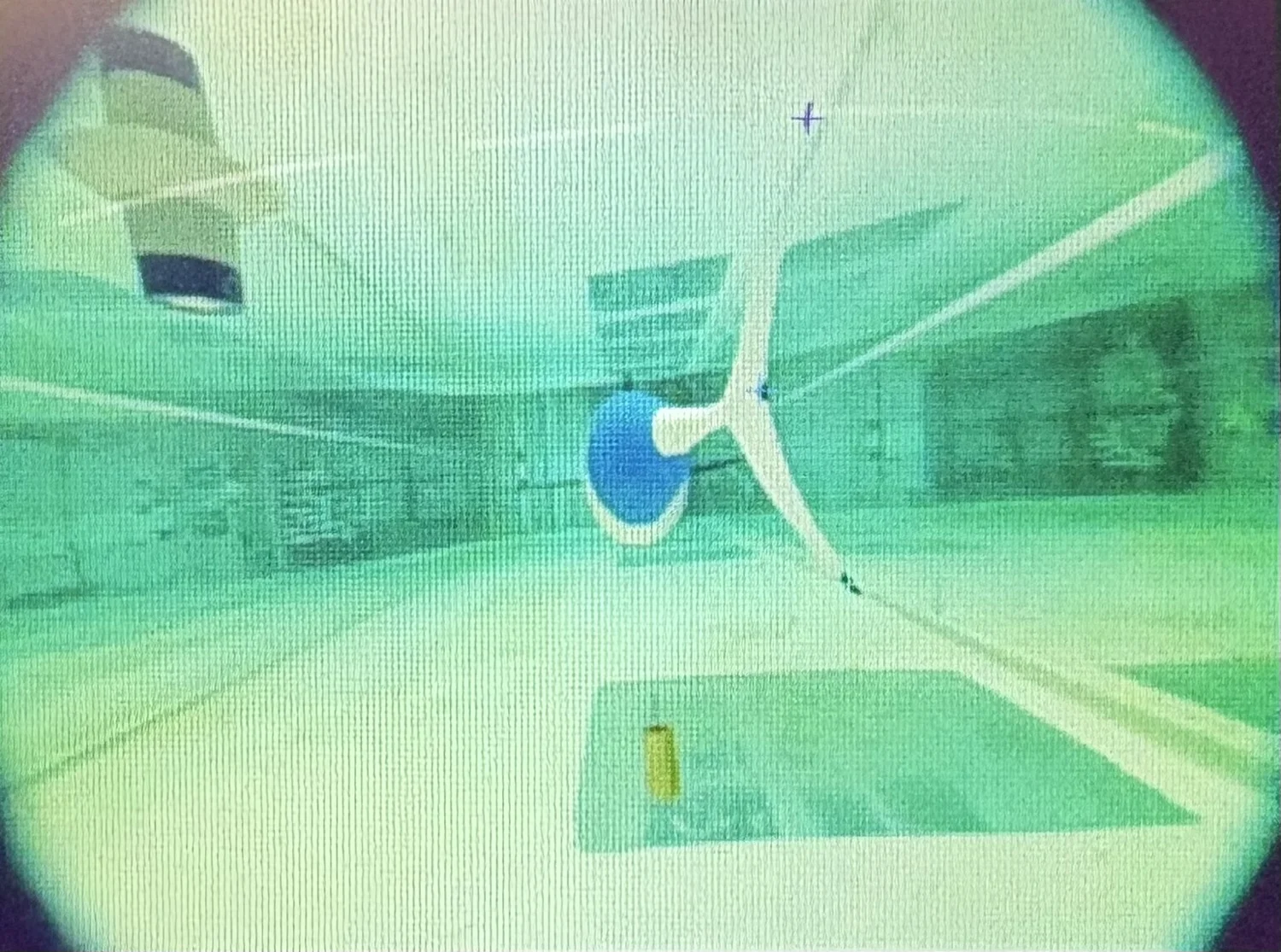
The goal of this research is to create an autonomous navigation system for a small underwater vehicle, the TunaBot. By integrating computer vision and pressure sensor data to the robotic fish, the goal was to swarm and school like a real tuna. My main role in this project was to train and physically test the computer vision algorithms that will allow the TunaBot to see and react to other TunaBots in its surroundinngs.

Explore the project

Outcomes & Contribution

The principal outcome of this project was a trained model capable of recognizing other TunaBots, mapping their speed and direction from the movement of their tail actuators.

  • Computer Vision Training: I used Deep Lab Cut, a python based Machine Learning software to train the TunaBot's computer vision system for real time detection.
  • Research Testing: I personally tested the Tunabot conducting experiments training and validating the performance of the computer vision algorithms in real-world scenarios. This included making a custom testing rig to gather the most realistic and effective training data.

Technical Details & Skills

This project was very different than my previous work, as it required a deeper understanding of machine learning and computer vision software.

Software:

  • Machine Learning Software: Labeling testing videos with Deep Lab Cut, creating training datasets, and optimizing computer vision models for autonomous detection.
  • C: Using original scripts and libraries to process data and implement Deep Lab Cut models for live video analysis.
Quadruped · Robotics

CAD · Arduino · ROS2 · 3D printing

Quadruped robot

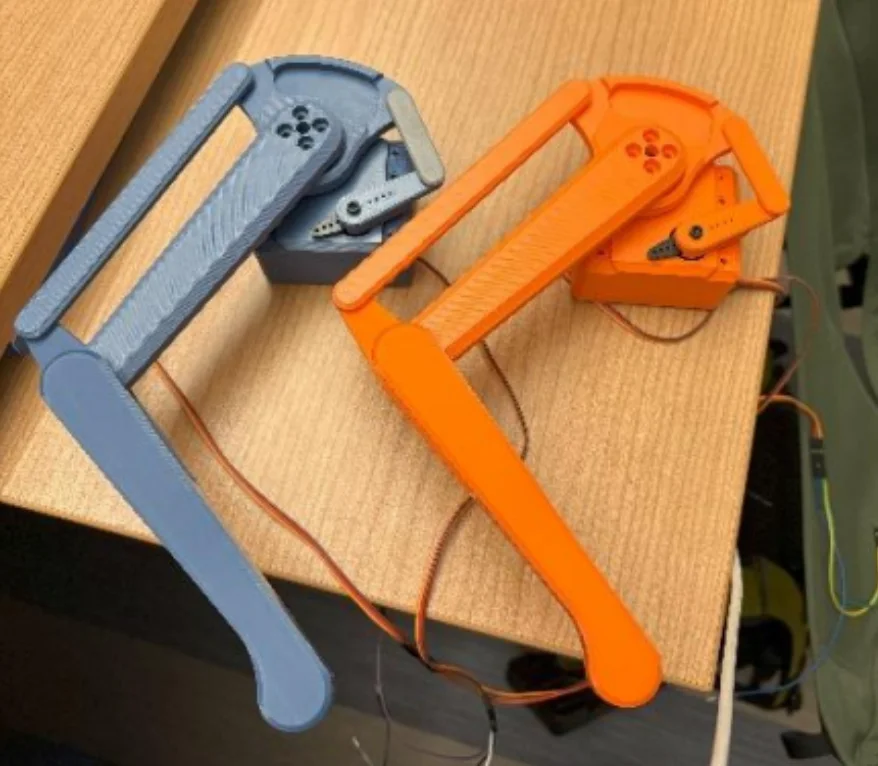
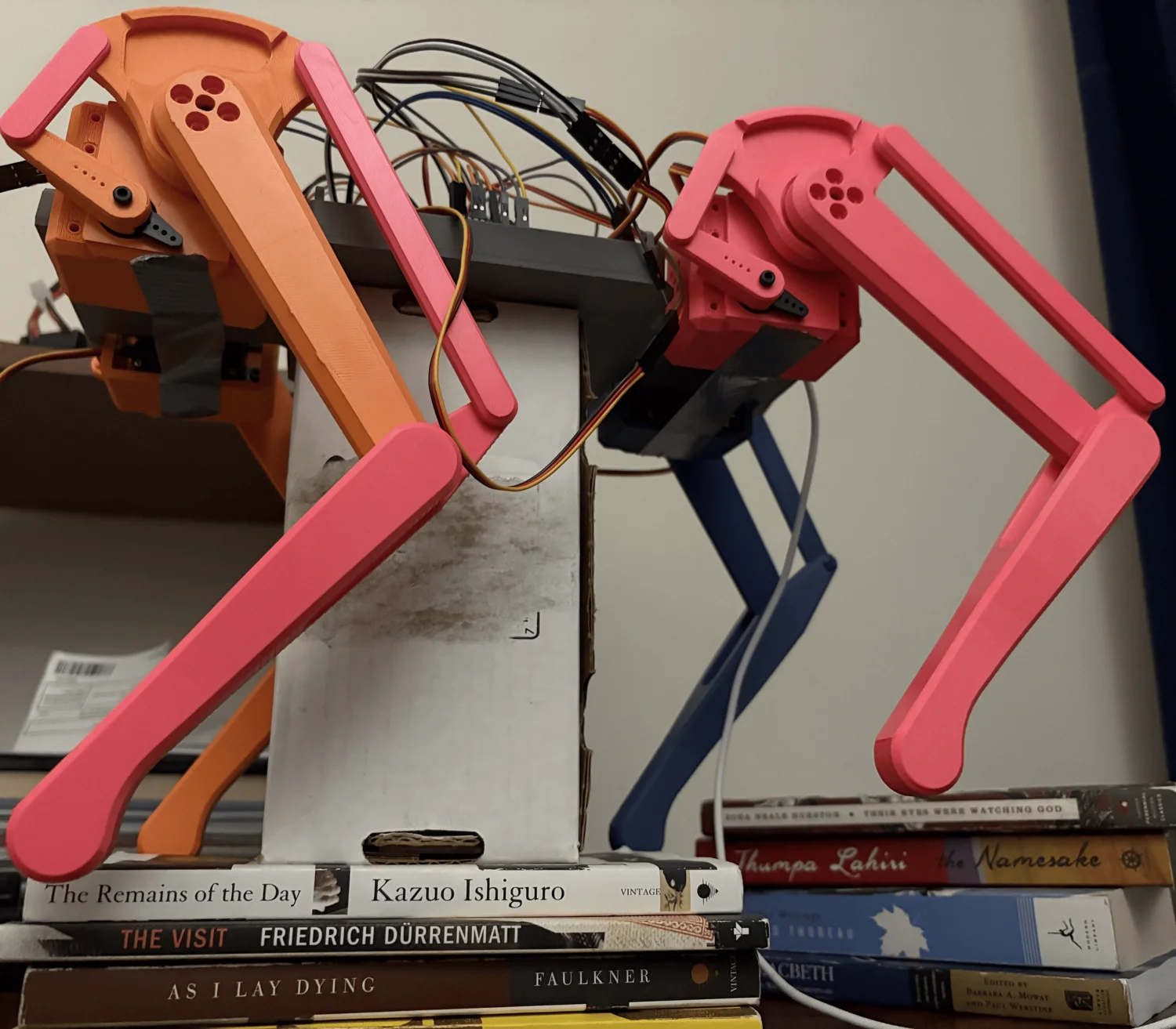
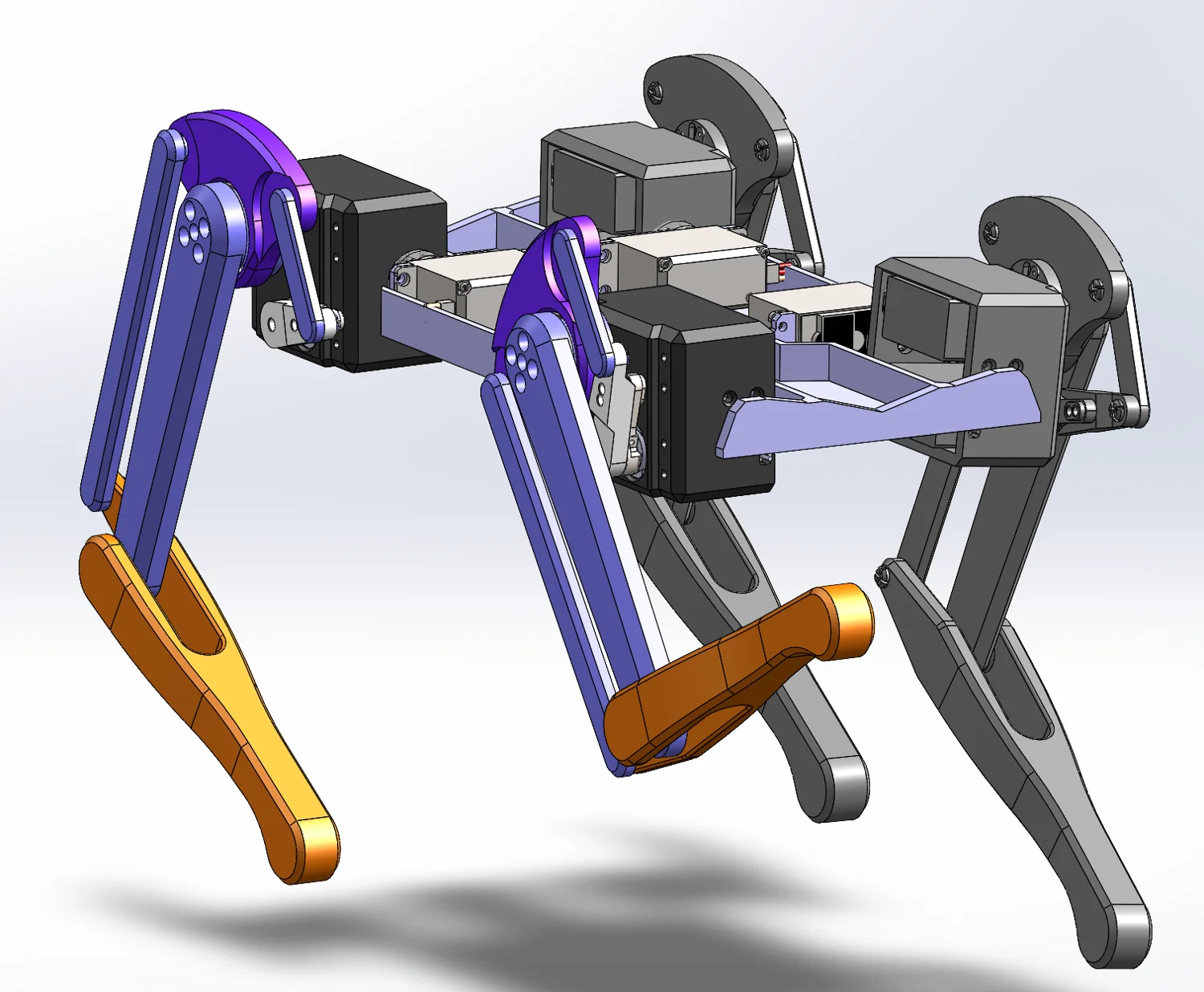
The goal of this project was to independently engineer a custom quadruped robot from the ground up, drawing inspiration from the open-source Dingo project.

Explore the project

Outcomes & Contribution

The results of this project was a fully functional, first-generation prototype of the quadruped robot, which successfully validates the custom-designed mechanical and electrical systems.

  • Mechanical Design: I redesigned and modeled all mechanical components in CAD, creating a unique chassis and leg structure optimized for 3D printing, ease of assembly, and the servos used.
  • Fabrication: I personally managed the fabrication of all structural parts using 3D printing, iterating designs to improve tolerances, strength, and component fit
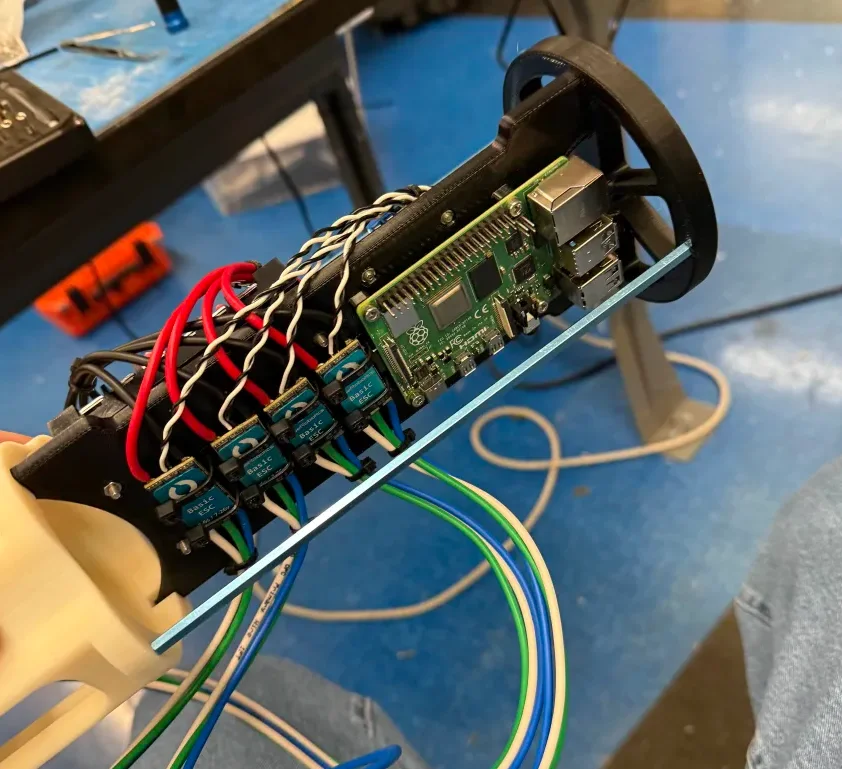
  • Electrical Integration: I designed and assembled the complete electrical wiring plan, integrating 12 servos with a central microcontroller.
  • Prototyping: The successful assembly and operation of the initial prototype represents a key deliverable, demonstrating a functional Version 1.0 and providing a stable hardware platform for the next phase of software development and system optimization.

Technical Details & Skills

This project required a multidisciplinary skill set, integrating hardware, software, and fabrication techniques.

Mechanical & Fabrication:

  • CAD Modeling: Proficiently used CAD software to design complex, multi-part assemblies with precise tolerances for articulation and component housing.
  • 3D Printing (DFA): Gained extensive hands-on experience in material selection (e.g., PLA/PETG) and tolerance optimization.

Electronics & Hardware:

  • Wiring: Created wiring diagrams before using breadboards and jumper wires to prototype an Arduino with 12 servos.
BURST · Underwater robotics

Project management · CAD · Buoyancy

BURST underwater ROV

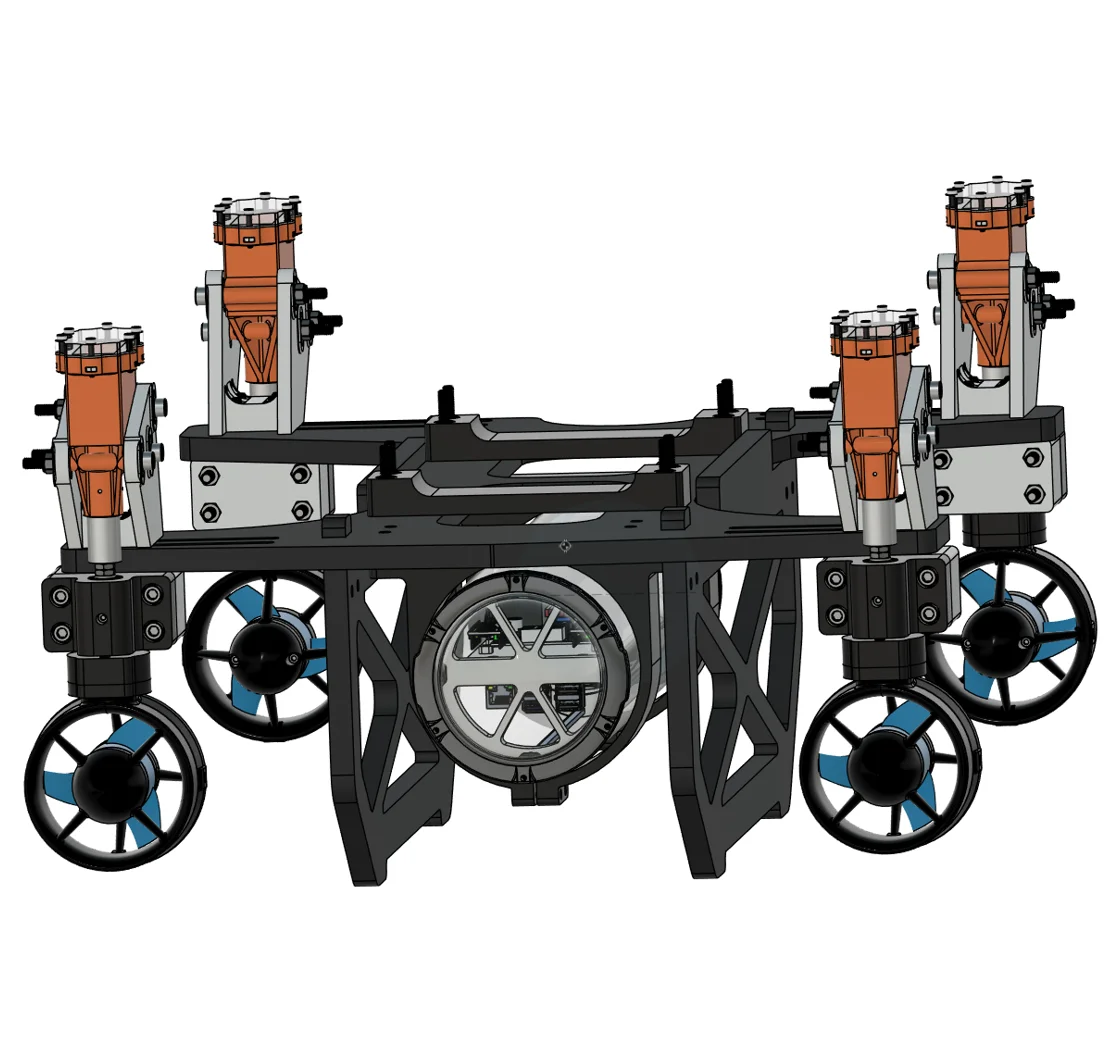
The primary objective of this project is to engineer an underwater Remotely Operated Vehicle (ROV) from scratch for the 2025 MATE ROV Competition and its parameters. The project's ultimate goal is to strategically move through water, adding advanced sensors and manipulation-capable actuators to gather water data from different depths and move objects under water.

Explore the project

Outcomes & Contributions

I was the Mechanical Lead Engineer for BURST, bulding the frame and layout of the turbines, as well as dealing with waterproofing and saftey of the entire ROV. This year, I have taken on the role of Lead Engineer for the entire ROV team and President of the club, overseeing all technical and organizational aspects of the project.

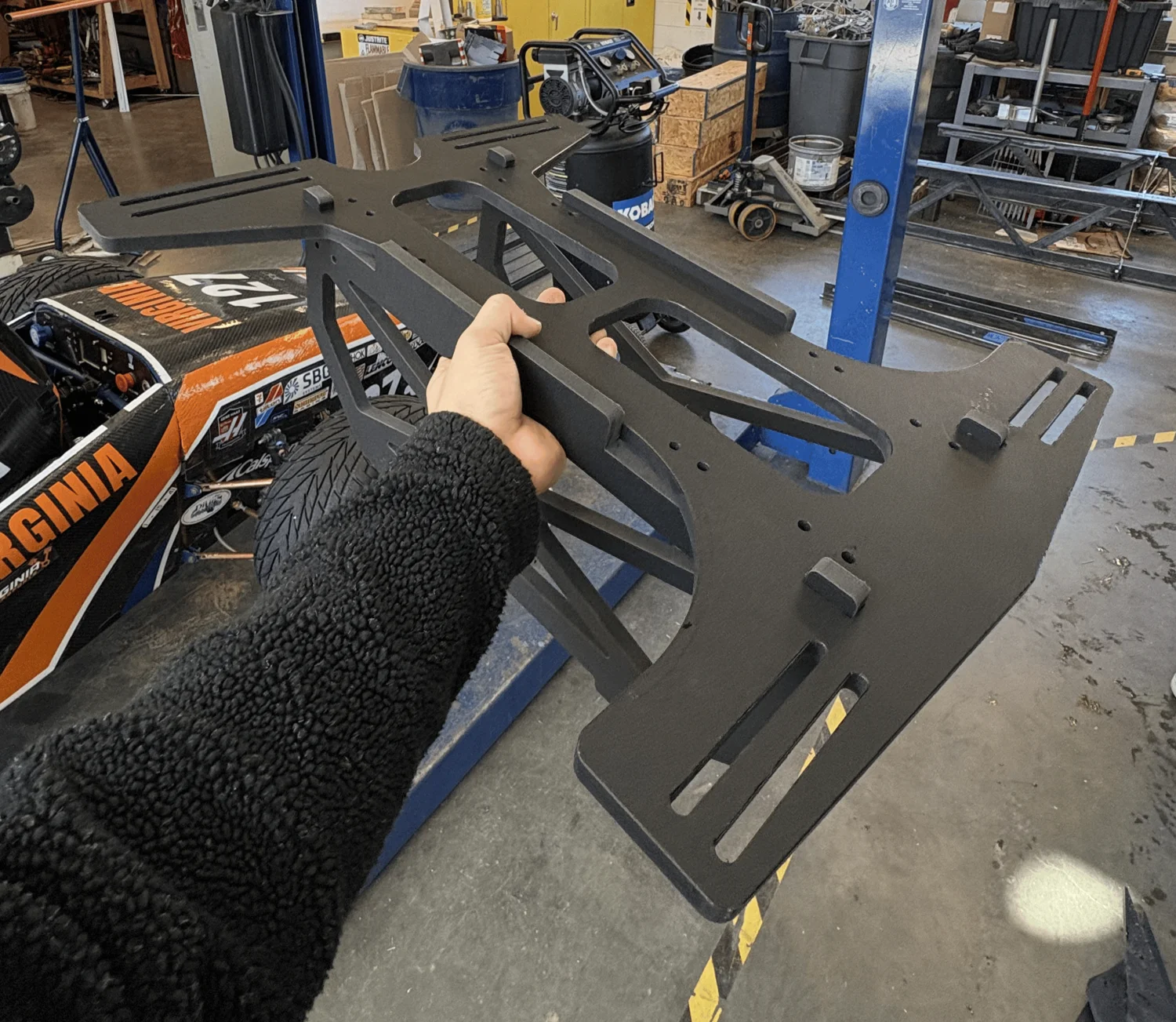
  • Mechanical (Structures and Safety): As the Lead of the Structures and Safety Sub-team, I was personally responsible for designing the ROV's primary frame and overall component layout in CAD. This involved optimizing for weight distribution, hydrodynamic efficiency, and service accessibility.
  • Fabrication & Assembly: I oversaw the complete construction and physical assembly of the ROV, translating the digital 3D models into a physical prototype using 3D printing and water-jet cutting.
  • Electrical Integration: I was an active contributor to the electronic assembly, assisting with the wiring layout of the propulsion system and housinng them within the waterproof enclosure.
  • Project Management: In my new capacity as President, I am now responsible for defining the technical roadmap, setting engineering goals, and managing the team's efforts to develop the next-generation for the 2026 MATE competition.

Technical Details & Skills

This project provides a deep, hands-on application of integrated systems as well as mechanical saftey and orientation considerations.

Mechanical & Mechatronic:

  • 3D Design (CAD): I proficiently used CAD software to model, analyze, and iterate on all structural components.
  • Robotic Assembly: Printing and water-jet cutting of structural componentsto maximize integrity and functionality.

Electronics & Systems:

  • Waterproofing: Gained practical experience in the assembly of the electrical system, ensuring alignment of thrusters, power inputs, and internal components.
Button game · Interactive engineering

Arduino · Fusion 360 · Soldering · Woodwork

Button game

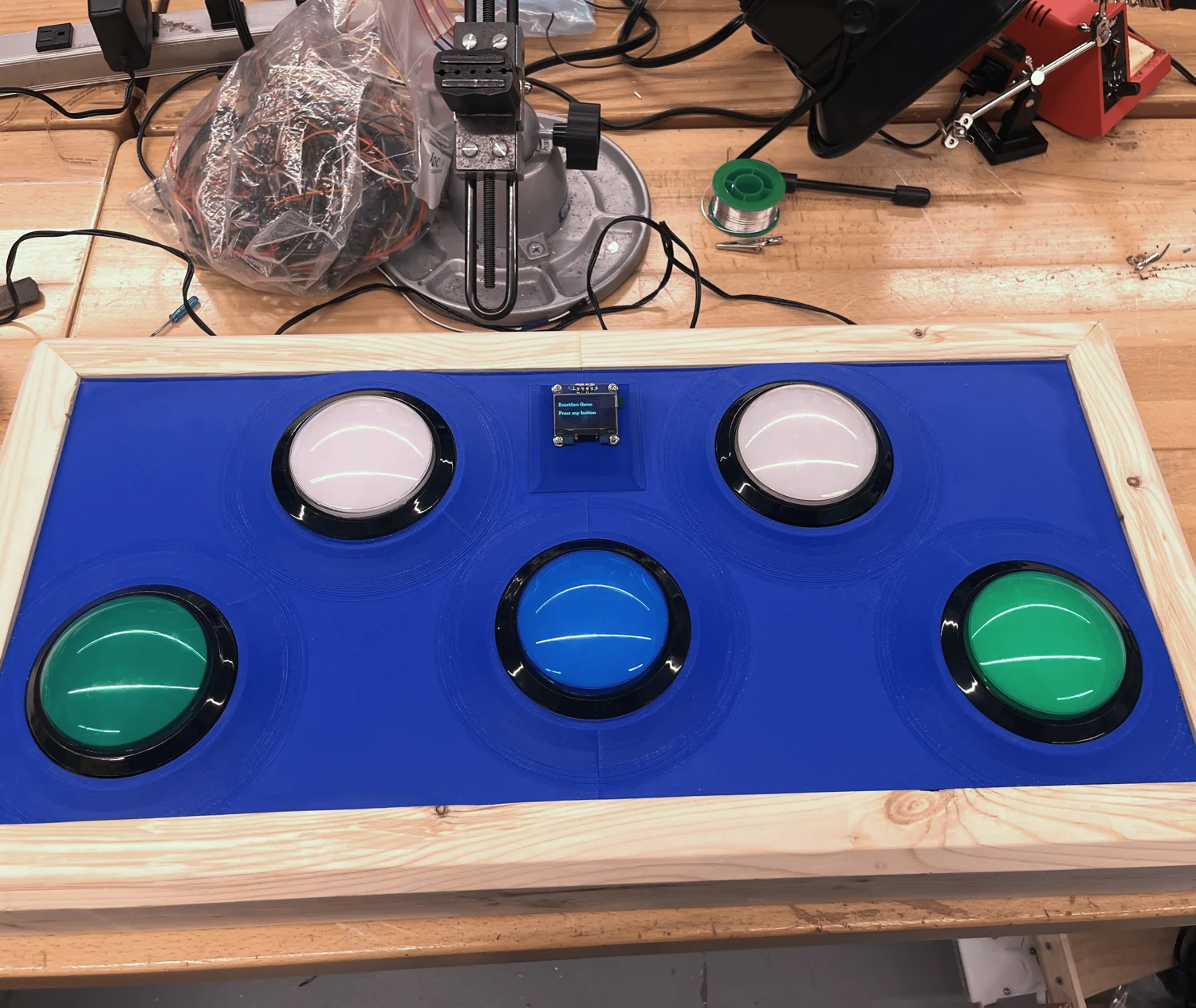
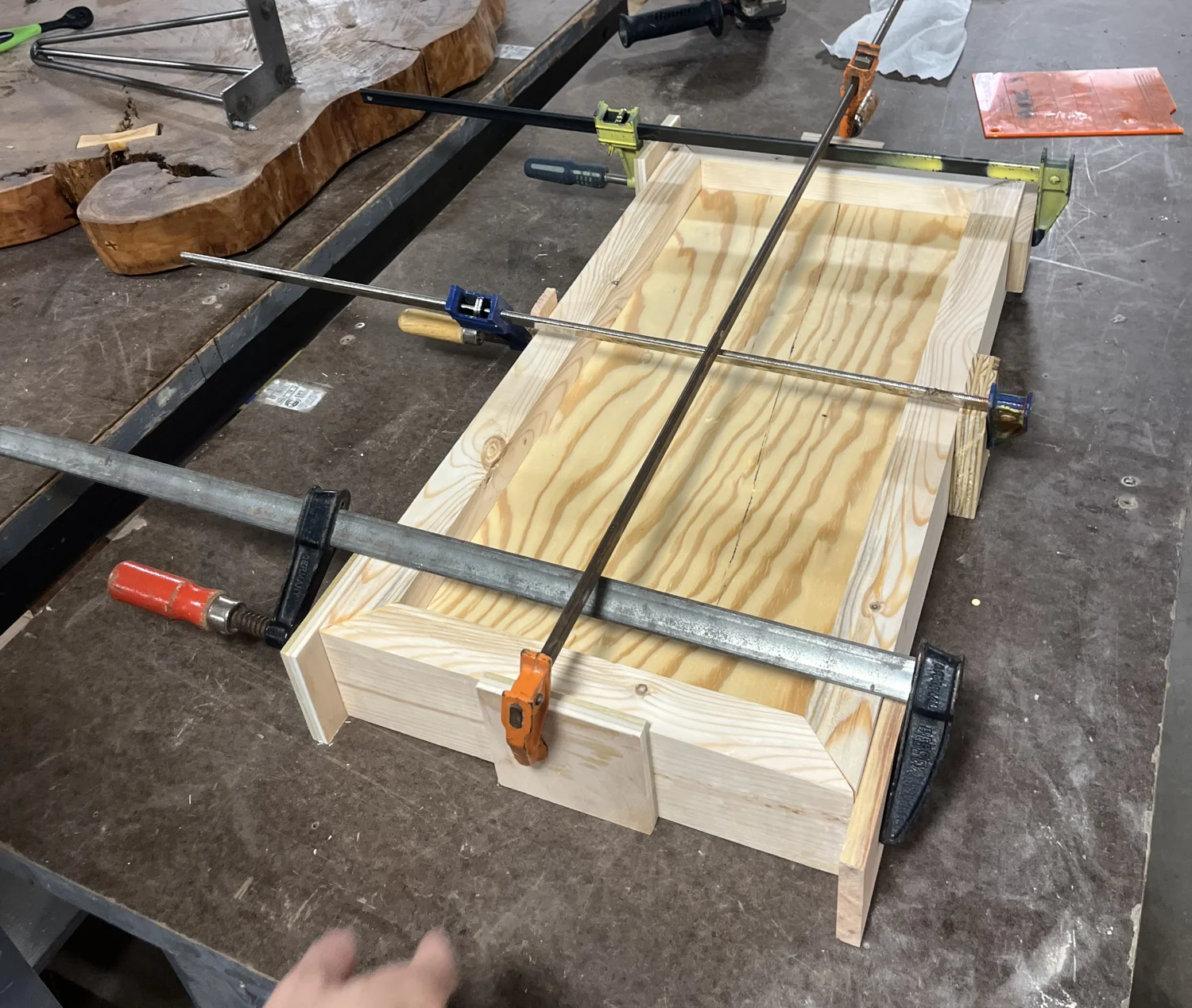
This project was made for UVA's STEMfest 2025 and Engineering Expo, showcasing a custom-built button game as part of the Gizmology club. Meant to show off fun engineering to UVA students other attendees, this project had to be easily transportable with little exposed wiring providing an engaging, interactive experience.

Explore the project

Outcomes & Contributions

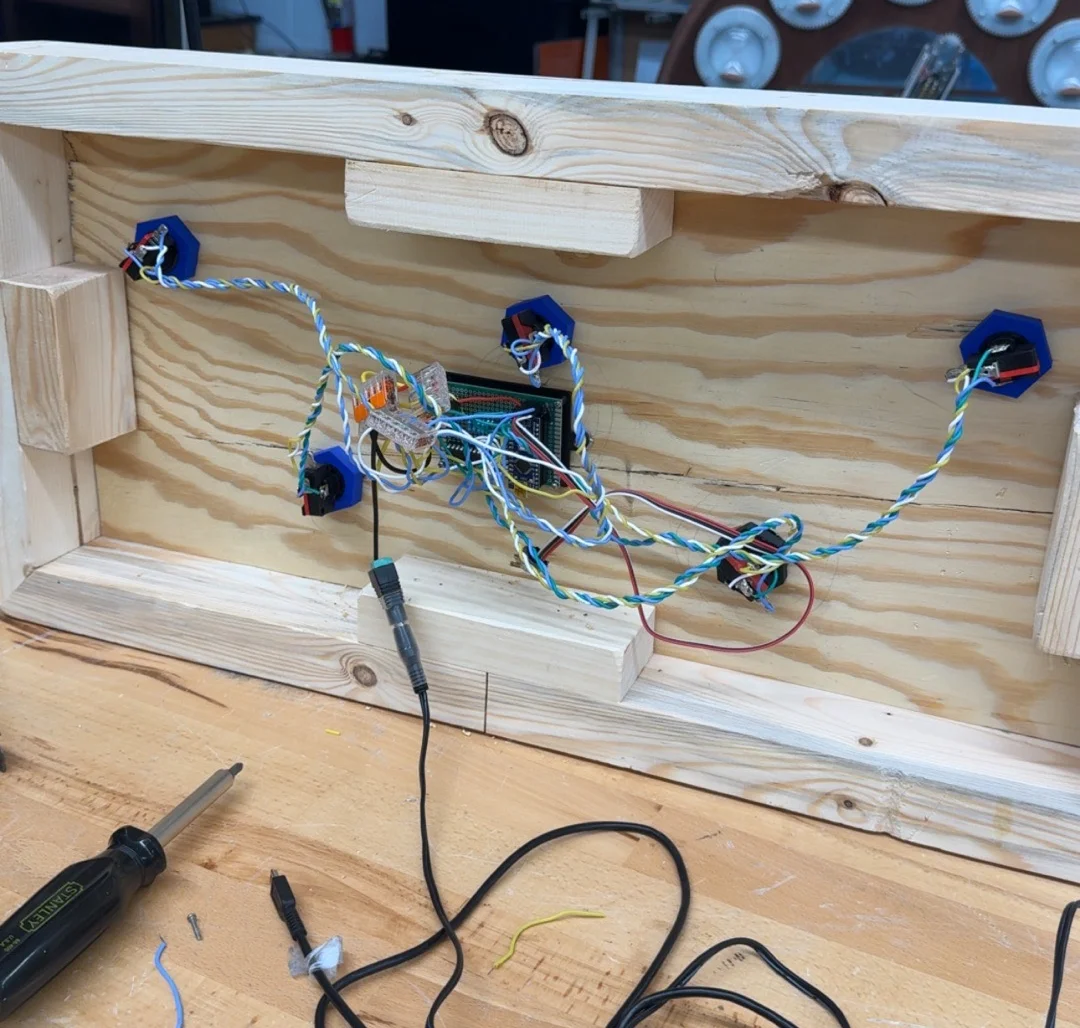
We successfully built and presented the button game at both events, having great reception from everyone that tried it out. I personally contributed to the fabrication and assembly of the game, as well as programming the Arduino and the Button Game's different modes.

  • Mechanical Design: I modeled most of the components on Fusion 360, ensuring proper fitting and structural integrity.
  • Fabrication: I built the frame for the buttons, using fabrication machines like table saws, band saws and sanders. I also 3D printed the custom button housings.
  • Electrical Integration: I designed the electrical wiring plan, integrating buttons, LEDs, transistors, resistors and a capacitor with an Arduino microcontroller.
  • Programming: After assembly, I programmed the Arduino to run multiple game modes like a reaction time game and competitive race mode.